Is RSF Stem Cell Therapy? No, and the Distinction Matters
Is RSF stem cell therapy? No — it is acellular, DNA-free and RNA-free. What is actually in the vial, and why the two are so persistently confused.
Regen MDs Clinical Team//5 min read
The short version
No. Ultra RSF (Regenerative Signaling Factors) is acellular. There are no living cells in the vial, and no DNA or RNA.
The confusion is real but explainable: the two share a source tissue, a scientific lineage, and a great deal of loose marketing language.
The distinction is not semantic. What is in the vial determines how it is handled, what can be verified about a batch, and what anyone is entitled to claim.
Signalling persistence is described as weeks for Ultra RSF against days for stem cells and exosomes — a property of how the preparation is formulated, not a measured clinical result.
No. Regenerative signaling factors are not a stem-cell therapy, and the two are not close enough for the words to be used interchangeably.
That is the entire answer to the question in the title. What takes longer is explaining why the question keeps arising, why a number of clinics (some of them sincerely) give a blurrier version of it, and why the difference is worth more than a footnote.
What is actually in the vial
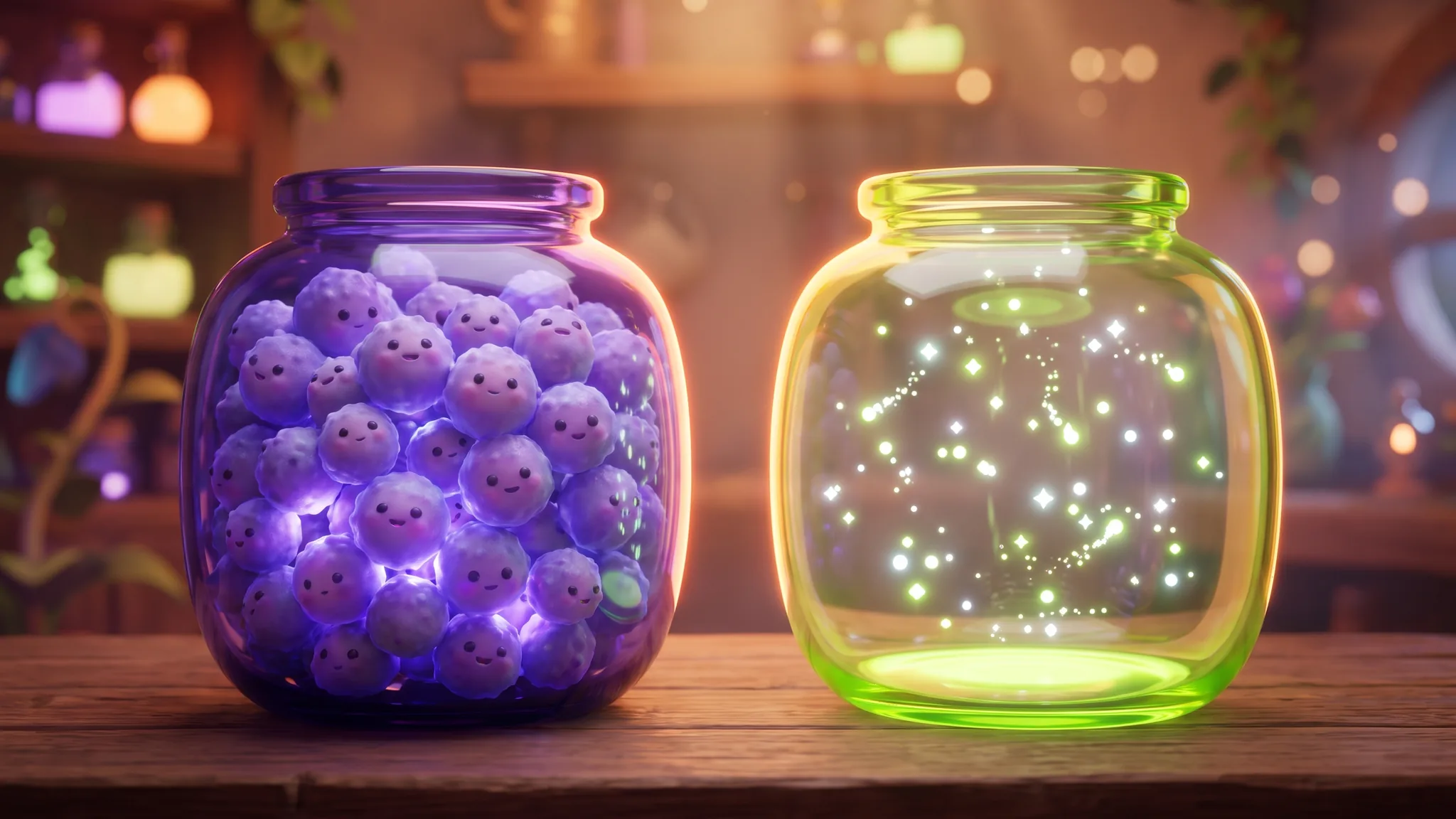
Ultra RSF (Regenerative Signaling Factors) is a concentrate of more than 300 proteins and growth factors, drawn from six regions of the placenta. During manufacture the material is purified until every living cell has been removed, and the result is free of DNA and RNA. Nothing in the vial is alive.
A stem-cell preparation is the opposite proposition in the ways that matter. It contains living cells carrying donor DNA, obtained through an invasive harvest, varying from donor to donor, and dependent on an unbroken cold chain to survive the journey. Every one of those properties comes from the presence of cells, and none of them applies to an acellular concentrate. The full comparison is laid out in stem cells vs. exosomes vs. RSF.
Why the confusion exists
The muddle is not entirely anyone's fault. Three separate things push in the same direction.
01A shared source tissue. Both categories can begin with placental material, so a patient reading two brochures sees the same words about the same origin and reasonably assumes the same product.
02A genuine scientific lineage. Interest in signalling factors grew out of stem-cell research, from the recognition that much of what was attributed to transplanted cells appeared to come from what those cells secreted. The connection is real, which is what makes the shorthand tempting.
03Marketing that will not let the phrase go. "Stem cell" is the term the public knows, and the one that sells. Describing an acellular protein concentrate with it is inaccurate, and it happens constantly.
There is a fourth reason worth naming, which is that the honest description is less exciting. A vial of signalling proteins that may influence how tissue organises itself does not carry the mythology that living cells do. It also happens to be what is being administered.
What follows from having no cells
Removing the cells is not a tidying step. It changes what the preparation is, and the consequences run all the way through how it is made, moved and given.
An acellular concentrate can be characterised by next-generation sequencing and mass spectrometry, so one batch can be compared against another on paper — where a cultured cell population varies with how the culture behaved that week. It can be freeze-dried and stored without refrigeration, then reconstituted with 1 mL of sterile water at the bedside. Nothing in it engrafts, divides, or persists as tissue, because there is nothing in it that could. How Ultra RSF is made goes through each of those steps.
How long a signal lasts, and why that is a design property
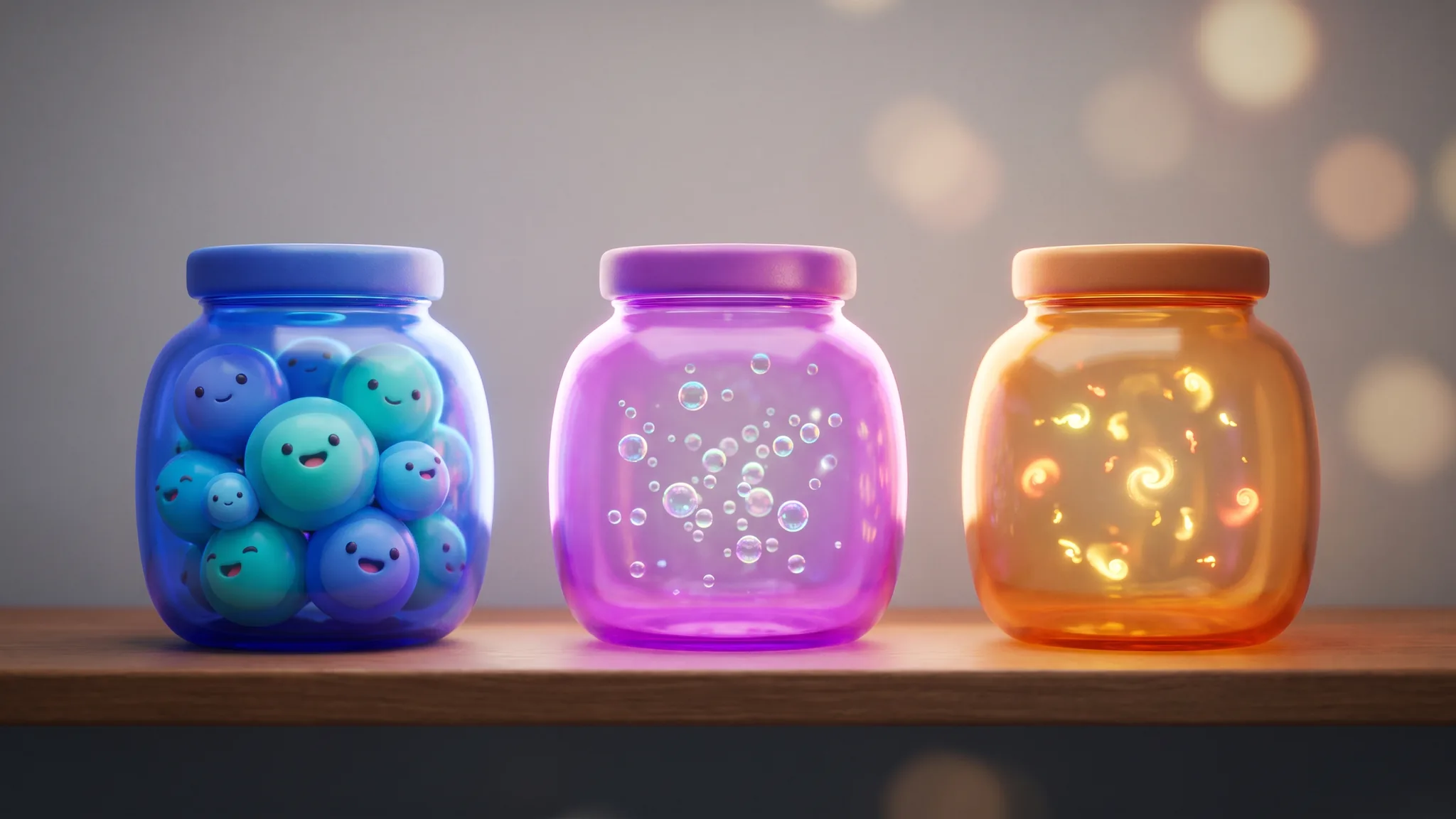
One difference between these categories is described in terms of how long signalling is intended to persist after administration. The manufacturer frames it as a spectrum.
Peptides: minutes to hours.
Stem cells and exosomes: days.
Ultra RSF: designed to persist for weeks.
Read that carefully, because the phrasing is doing real work. "Designed to" describes an intention built into how the preparation is formulated. It is not a measured clinical effect, it is not a claim about how long any benefit lasts, and it should not be presented as either. We repeat it here because it is part of how the product is characterised, with the hedge attached rather than removed.
The question underneath the question
When patients ask whether this is stem-cell therapy, they are often asking something else: whether it is legitimate, whether it is the thing they have read alarming stories about, whether they are being sold something. Those are good instincts and they deserve a straight answer rather than a reassuring one.
Here is what we can tell you, and it is deliberately confined to what is verifiable. The vial contains no cells, no DNA and no RNA. Donor material is screened under 21 CFR 1271.55. Composition is characterised by sequencing and mass spectrometry. It is administered by a physician, inside a plan, after an evaluation. We are not going to tell you what any agency does or does not permit, because that is not ours to characterise and the clinics that do it most confidently tend to be the ones getting it wrong.
The useful question is not what a preparation is called. It is what the paperwork says is in it.
Is RSF stem cell therapy?
No. Ultra RSF is acellular, containing no living cells and no DNA or RNA. It concentrates the proteins and growth factors that cells release rather than the cells themselves.
Does Ultra RSF contain any human cells?
No. Purification removes all living cells during manufacture, and the resulting material is characterised by next-generation sequencing and mass spectrometry before it is freeze-dried.
Why do some clinics describe it as stem cell therapy then?
Because the phrase is familiar and sells more easily, and because the two categories share a source tissue and a scientific lineage. Neither of those makes the description accurate.
How long do regenerative signaling factors persist?
Ultra RSF is described as designed to persist for weeks, against days for stem cells and exosomes and minutes to hours for peptides. That describes how the preparation is formulated rather than a measured clinical result.
Is Ultra RSF a replacement for my current treatment?
No. It is adjunctive and complements guideline-based medical care. Stay on your prescribed treatment and discuss any change with the clinician who prescribed it.
This article is general health information, not medical advice, and does not create a physician–patient relationship. It describes mechanisms reported in the literature rather than guaranteed outcomes; individual response varies. Regen MDs provides you an alternative to your current care, and is complementary to your guideline-based medical care. Ultra RSF (Regenerative Signaling Factors) is not a stem-cell therapy. It is an acellular, non-biologic protein preparation — no cells, no DNA and no RNA. Talk to a licensed clinician before starting, stopping, or changing any treatment.